
Global Energy Consumption and the AI Challenge: The U.S. Perspective
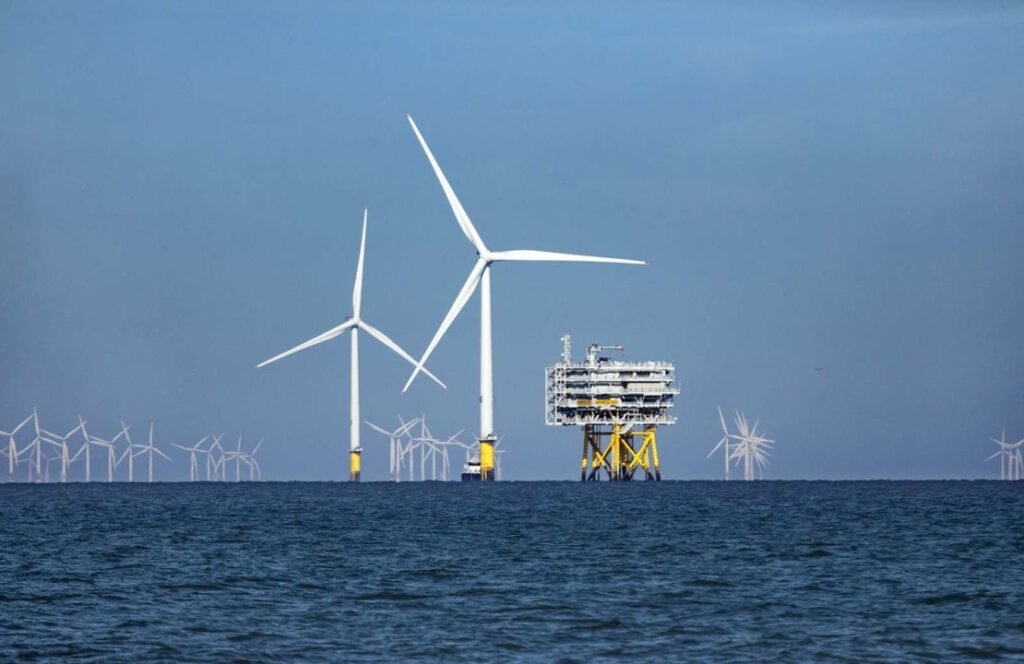
Over the past decade, global energy consumption has become increasingly efficient at both the household and corporate levels. Manufacturers of household appliances and industrial equipment have consistently внедряли energy-efficient technologies, reducing overall consumption without compromising performance. This trend has remained stable for years.
The rapid emergence of artificial intelligence has begun to alter this trajectory. Unlike previous technological innovations, AI requires not only vast amounts of data but also substantial energy resources to train models, process information, and operate large-scale data centers. AI-related energy demand is fundamentally different from traditional digital services and continues to grow as adoption accelerates.
Against this backdrop, the United States faces a strategic challenge: significantly expanding its energy production capacity over the coming years. Industry estimates suggest that U.S. electricity demand could increase multiple times, driven primarily by the concentration of major AI companies, technology firms, and hyperscale data centers within the country.
The key question is not only why such a dramatic increase in energy supply is required, but how it can be achieved within a limited timeframe. In the near term, the most viable solutions remain traditional energy sources — oil and gas — alongside nuclear power. Hydropower and other baseload generation sources also play a role. Emerging technologies such as nuclear fusion, while promising, remain experimental and are unlikely to meet large-scale demand in the near future.
As a result, major U.S. energy and industrial companies are under pressure to rapidly expand energy production. From a practical standpoint, the fastest path involves increasing oil and gas output, both domestically and in geographically proximate regions.
In this context, Venezuela holds strategic importance. The country possesses the world’s largest proven oil reserves and is located in close proximity to the United States. Historically, major U.S. oil companies operated extensively in Venezuela until the nationalization of the oil sector under Hugo Chávez, which forced foreign operators to exit.
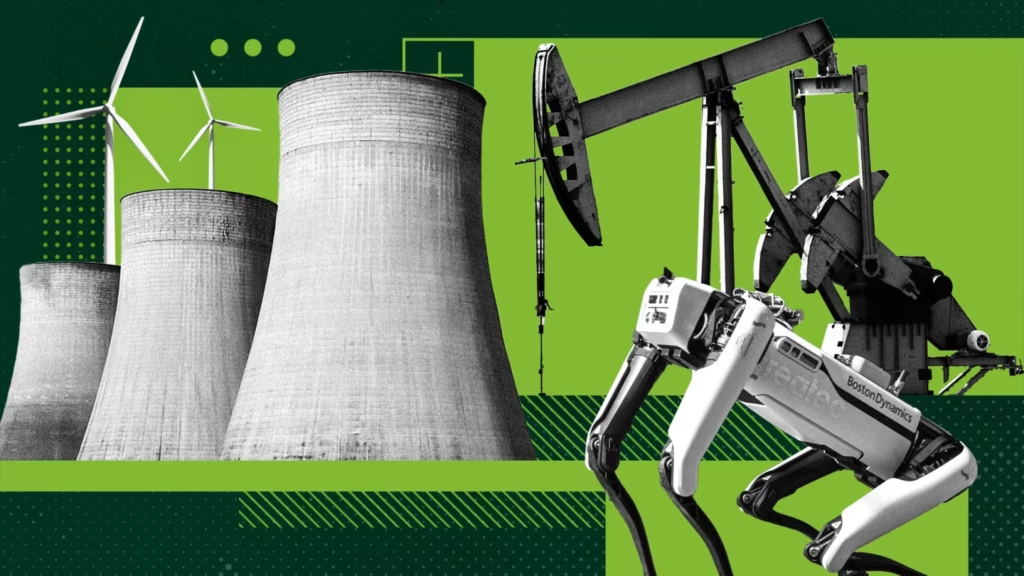
Developments in early January 2026, including the removal of Nicolás Maduro, have significantly altered the geopolitical landscape. Increased U.S. influence and the potential return of American energy companies could represent one of the fastest avenues for expanding available energy resources for the U.S. economy.
In the short term, higher oil supply could exert downward pressure on gasoline and diesel prices in the U.S. domestic market, potentially extending into late 2026 amid political and electoral considerations. Over the longer term, however, rising demand from the AI sector and broader energy needs is likely to restore upward pressure on fuel prices.
Ultimately, oil remains a critical energy source during this transition period. The development and large-scale deployment of alternative energy technologies require time — often several years to a decade. Until then, traditional energy resources will continue to play a central role in supporting the energy demands of the AI-driven economy.

Research vs. execution
This article provides research and analysis only. Execution timing (entry/exit), stop-loss, and take-profit levels are available exclusively in the Black Intus – Membership channel.